Q&A
| 1. Source of raw materials Why is cypress still available in Taiwan even though logging has been prohibited? |
|
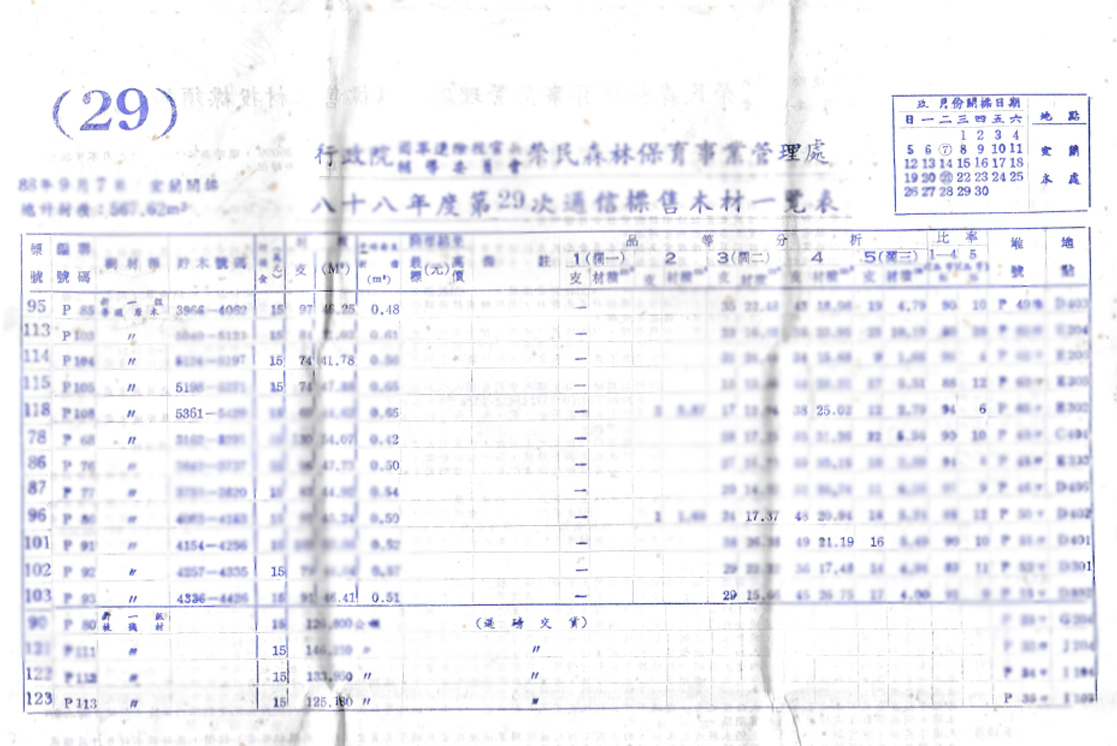
Our raw materials are legally sourced from lumber factories throughout Taiwan. These factories had established inventories before the government imposed logging restrictions. In addition, the government occasionally releases naturally fallen or dead trees—commonly referred to as “standing deadwood (欠頂木)”—through public auctions. All materials used comply with local forestry regulations.
|
| 2. How can you identify genuine essential oil? |
|
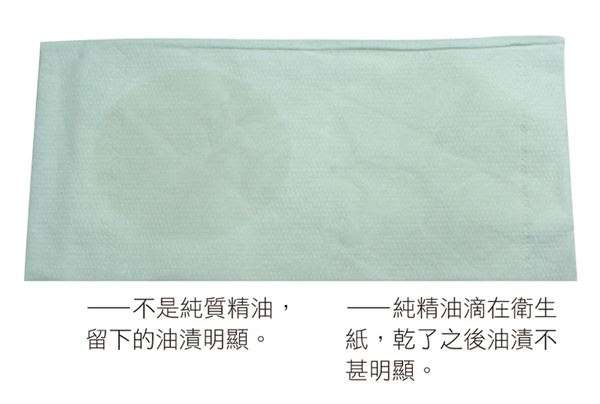
A simple preliminary method is the paper test: place a small drop of essential oil on clean paper. If a greasy residue remains after evaporation, the oil may have been diluted with vegetable oil. In addition, authentic plant essential oils usually present a complex aroma profile, including top, middle, and base notes. This layered and evolving scent character is one of the natural features of genuine essential oils.
|
| 3. Why the color of essential oils are different ? |
|
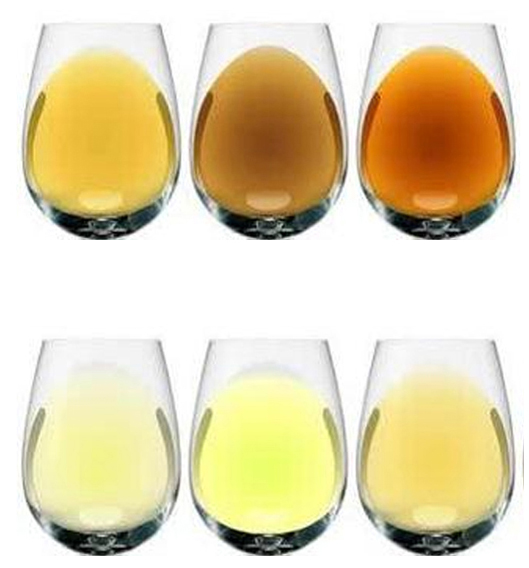
Essential oil color can vary depending on extraction methods, processing conditions, and the natural growing environment of the plant material. Even oils derived from the same species may differ in color from batch to batch. Therefore, there is no absolute standard indicating that a specific color of Hinoki or Benihi essential oil is better or worse. Color variation is a natural characteristic of genuine essential oils.
|